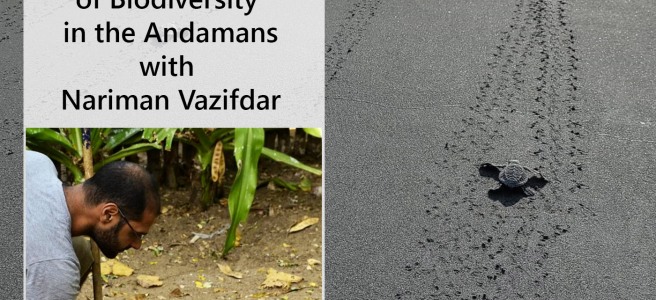
Heart of Conservation Episode #35 Show Notes (Edited)
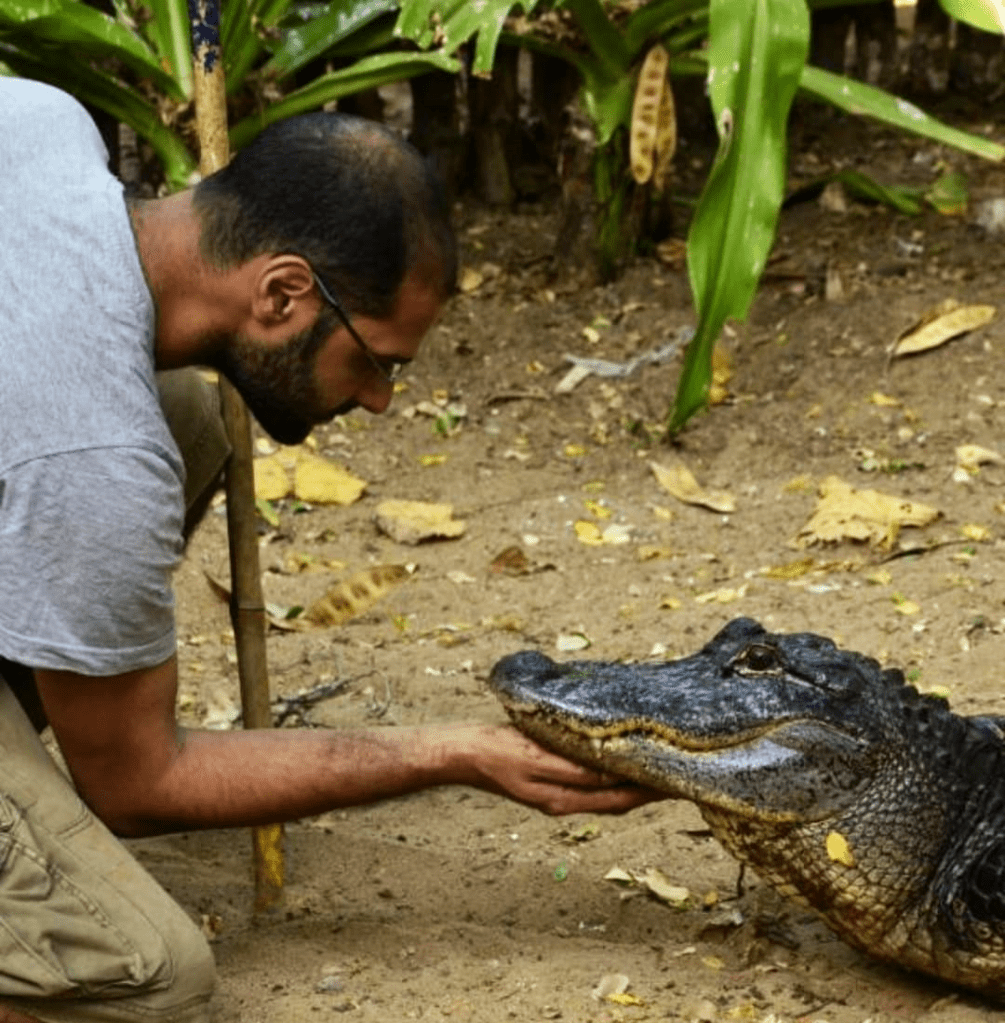
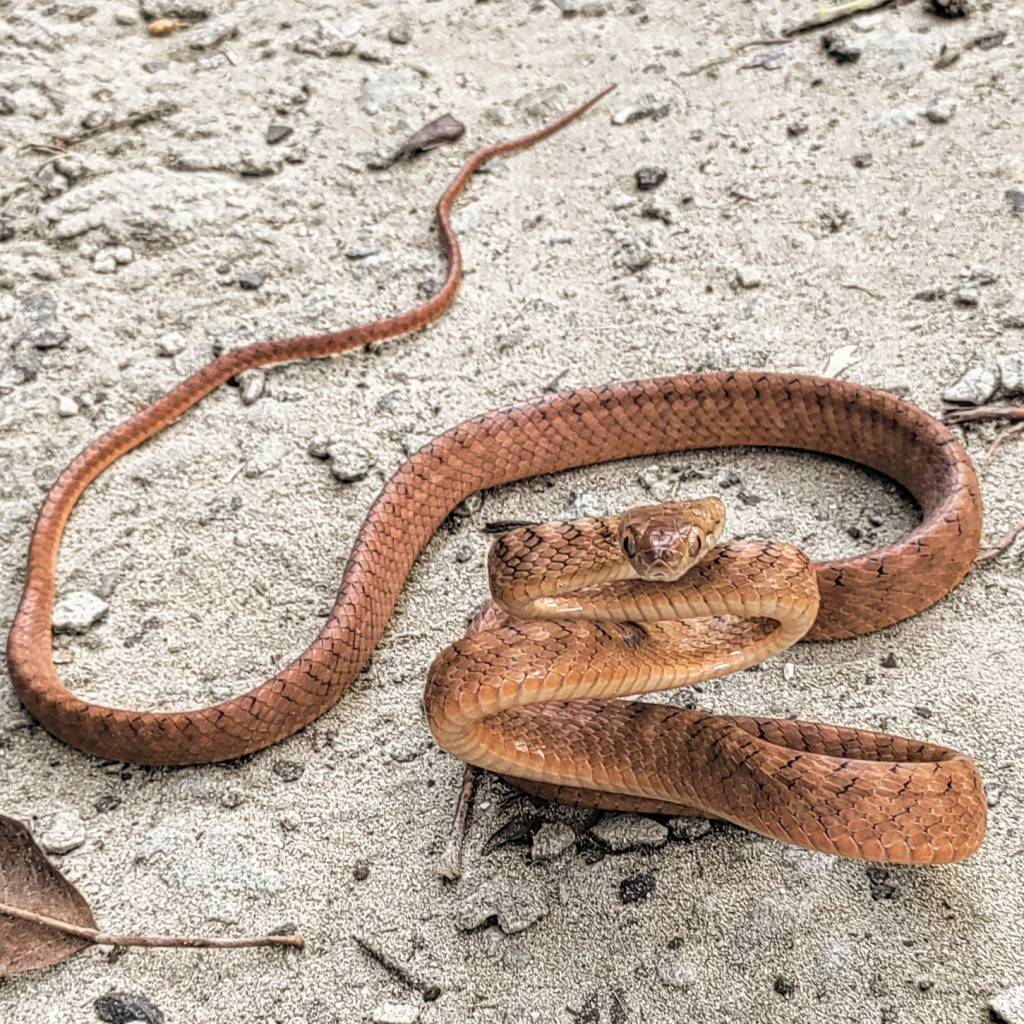
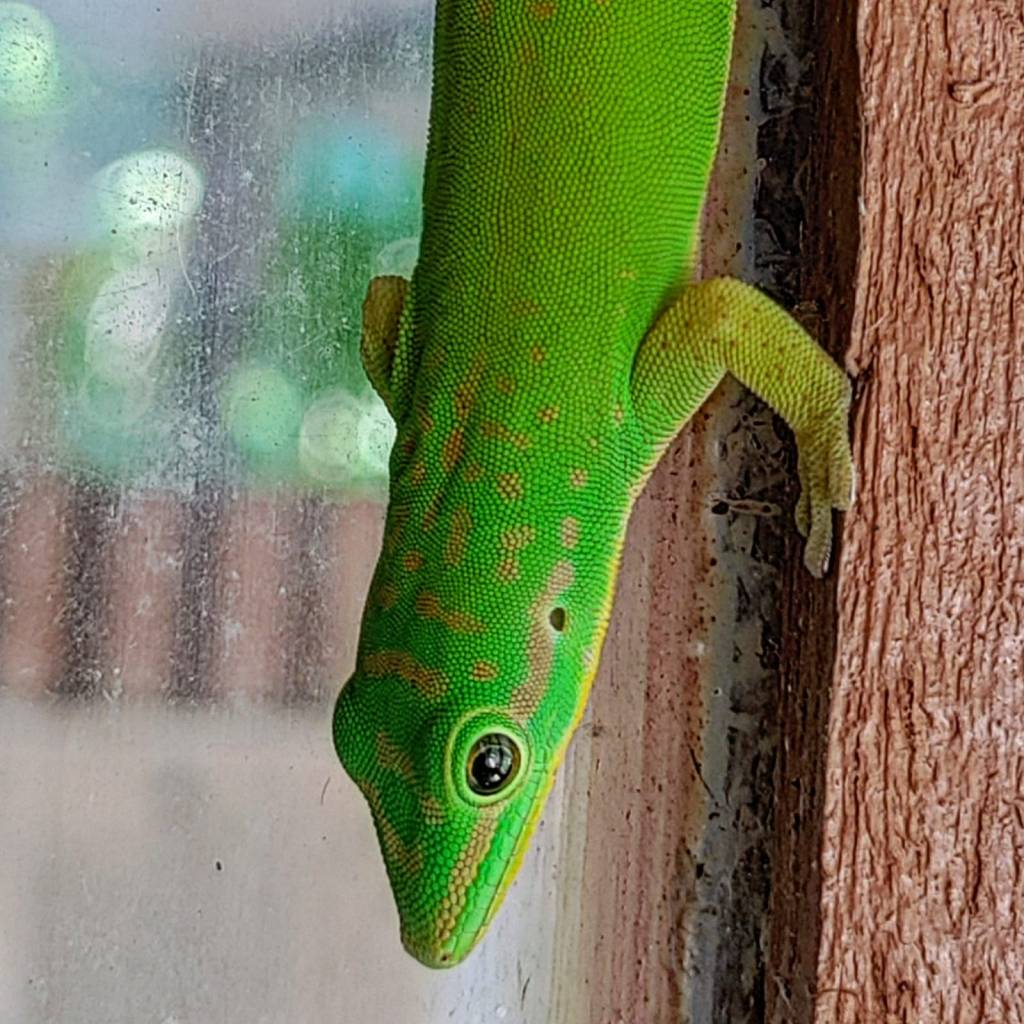
Host:Lalitha Krishnan:
00:03: Hi there, I’m Lalitha Krishnan, your host on episode #35 of Heart of Conservation. As usual, I bring you stories from the wild that keep us all connected with our natural world. I’m back after a very long spell during which I visited the Andaman and Nicobar Islands. I still can’t get over those amazing beaches, the old forest and the incredible species that I spotted there. All new to me, but endemic to the island. But the question is, for how long? I can’t think of a better person than naturalist, herpetologist on ground in the Andamans, Nariman Vazifdar, to answer that and more.
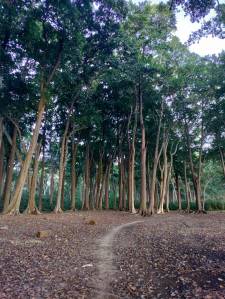
You can read his writings on the web, including on ResearchGate, and follow his Insta handle @reptilian_666 to see what he’s up to. And do look out for the transcript and links for this podcast coming soon on my blog, Earthy Matters. Welcome to Heart of Conservation, Nariman. Thank you so much for speaking to me about this. And the ecology of the islands.Ever since you guided us through that beautiful Andaman bulletwood forest by the beach, my curiosity has only grown. ] So since your first love is reptiles, could you enlighten us about the diversity of reptiles found on the island? And first, do tell us a little bit about yourself and about the diversity of endemic species on the island.
Guest: Nariman Vazifdar:
Hi, Lalitha. Thanks for having me on Heart of Conservation podcast.
01:36: Yes, basically reptiles are what, let’s not put it as reptiles, but wildlife. I was really attached to wildlife at an early age. When in school, I joined this program called the Duke of Edinburgh Award Scheme Program, which basically took us outdoors, a lot of outdoor activities, kayaking, camping, and lots of social service fun. And of course, it was just being out there, especially because I was a kid from South Bombay. There is not much greenery where I live.
02:13: As soon as I stepped out of my comfort zone, the beauty of the sea, the forest around Bombay, kind of Lonavala side, and it took over my life, basically. And I saw my first snake, I remember very clearly over there, just whilst we were camping around. And I got inquisitive about this, and it just kind of took over my life slowly and slowly.
02:37: But more interestingly, when my mom comes from a place called Baroda in Gujarat, and I remember as a four-year-old child, she had taken us to this zoo over there, and she knew some of these zoos, and they had got out some snake, I think it was a python, for the kids to touch for me and my younger cousins. And I remember all of us as children were very scared of this. But my mom, for some reason, pushed me to touch the snake, and I touched the snake, and now I think she’s repenting this decision of hers.
03:10: But I basically took over. That’s all I’ve done since 2005. I have been involved in wildlife conservation research, in different parts of India, from Chennai, Bangalore, the Chambal Valley, and a couple of tiger reserves. And now, of course, finally, I live and work in Havelock Island, in the Andaman Islands.
03:31: But what draws me to this place more is, like you said, all the animals are more, because they are predominantly reptiles and less…the mammal diversity of the Andaman Islands is very poor. So, it is predominantly reptiles and more endemic species of reptiles is what we get here.
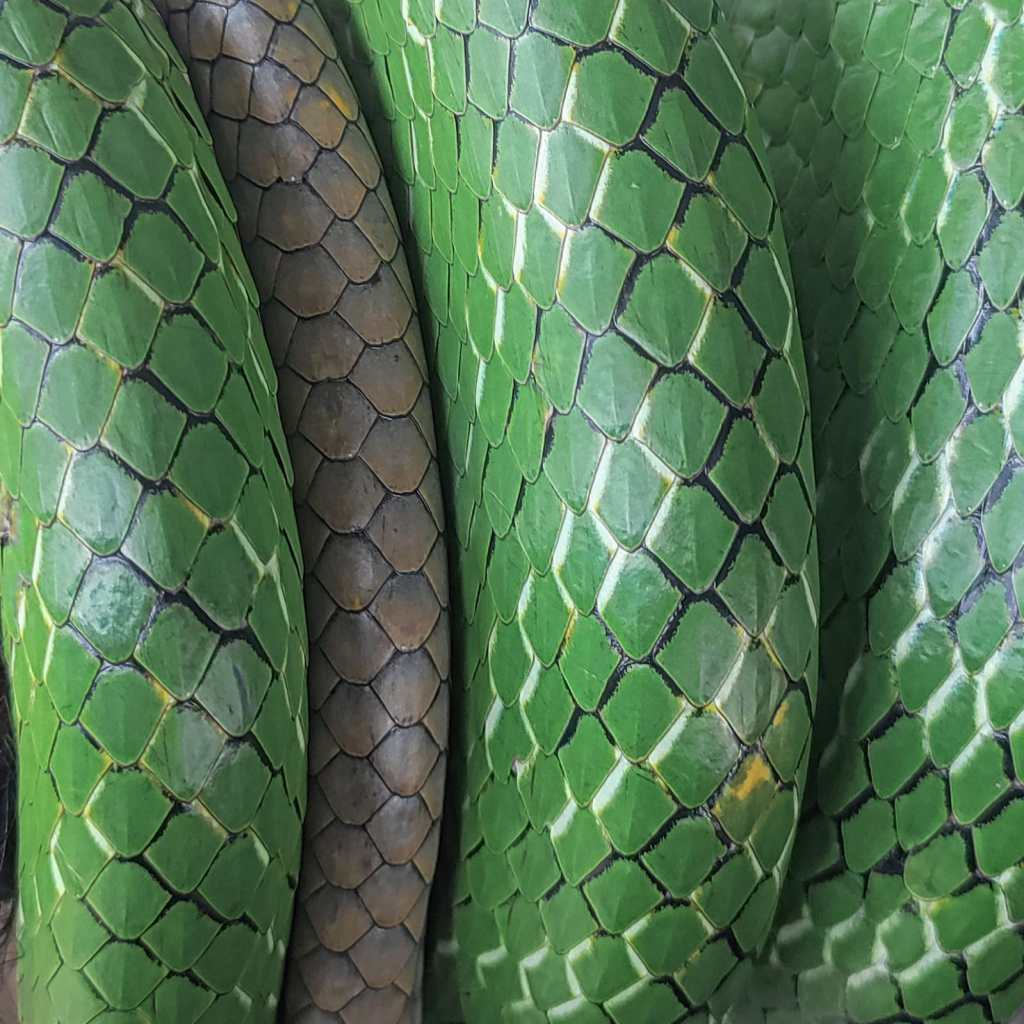
03:51: There are over, say, 23 species of snakes, of which nine are endemic. But because it’s an island–and island ecology is very different–we have terrestrial snakes, snakes that live on the land. We have mangrove snakes. We have sea snakes. So, like that, there are many, many various species of snakes on the island.
Lalitha Krishnan:
04:14: Wow. I have not even heard of mangrove snakes. Sorry for interrupting.
Nariman Vazifdar:
Yeah. No, no, no. But like, there are… you see them in high abundance. It’s just that people are not getting out there to look for them.So we have 308 islands in the Andaman Islands, and a lot of the islands are undiscovered. We don’t know what is on those islands.
04:38: The north-easternmost island of the Andaman Islands is called Narcondam Island. It is a dormant volcano, or let’s put an inactive volcano. And recently, a snake was found on that island. It’s called the Narcondam cat snake. Not found anywhere else on any other island, or not been discovered yet. So, it’s very interesting. It’s very interesting, you know, how the islands, individual islands have individual kind of small ecosystems.
Lalitha Krishnan:
05:06: That’s so incredible. So, you know, speaking of fauna in general, it’s a well-known fact that introduced species are a threat to endemic species on islands everywhere in the world. So, I just wanted to know, were there any species introduced to Andaman and Nicobar Islands? And what could be, is or could be the consequence of this?
Nariman Vazidar:
05:32: So, yes, of course, invasive species or introduced species make a massive difference to any ecological environment. Not necessarily islands, but islands face it more drastically.
Let’s say the invasive animals that are on the island currently are also due to a lot of the animals put by, say, the British when they took over the islands and they built the penal colony. So, they were only tribes living on these islands initially, the four indigenous tribes, and the British got, say, dogs, which are now everywhere on the island, to give as a gift to the Jarawas, who were one of the tribal communities, to hunt the endemic wild boar off the islands.
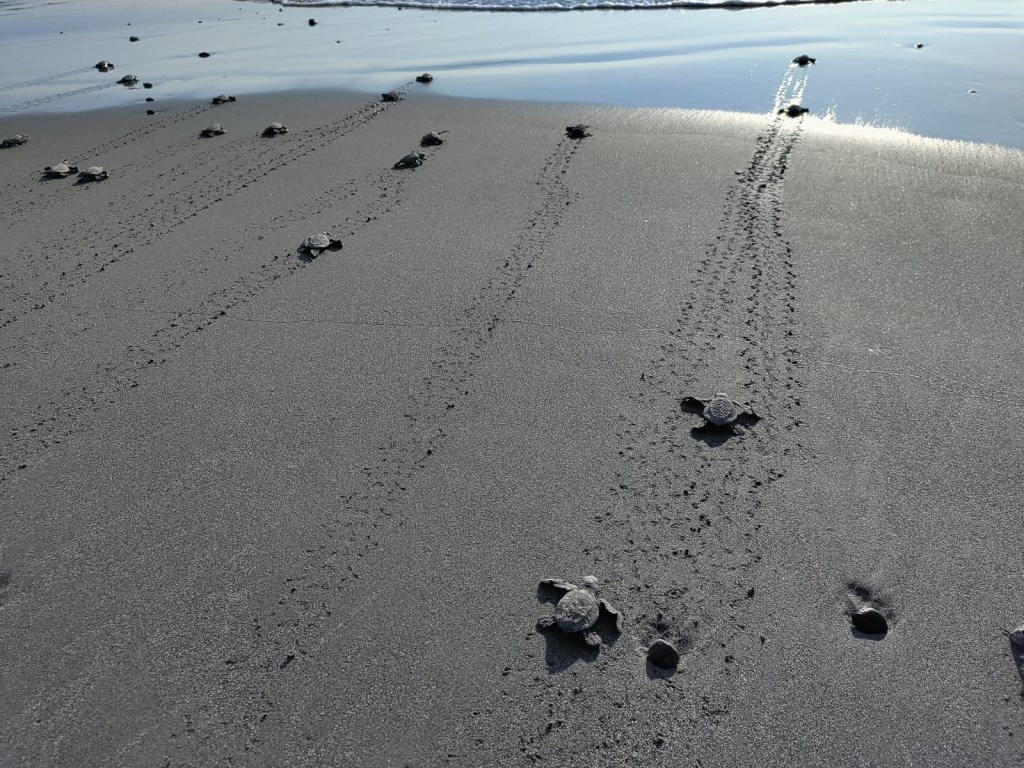
06:19: The dogs have now taken over the island, sadly. Don’t get me wrong. I love dogs. I’ve adopted one of the dogs from the beach. He lives with me. But these dogs, let’s say, hunt everything, right? Including the sea turtles. When the sea turtles come up to nest, they not only eat the sea turtle eggs, but sometimes I’ve seen them sadly even killing the female sea turtles when she’s coming to lay her eggs. The baby sea turtles that hatch, the snakes, the lizards. But see, it’s not the dog’s fault, right? We sadly do not have a proper neutering project on the islands. We still have a long way to go on the islands.
06:59: It is a serious problem, right? In a small place like Havelock there possibly could be 700 dogs. That is a lot of dogs for a tiny island. Of course, ecological damage happens.
Yes, the dogs are fed by the tourists, by the locals, but still, it is still a large amount of dogs on a tiny, small little island. But more than that, let’s say the other animals that people think of, but at least these are street dogs. People think all the animals in the forest also belong there. No!
07:29: Also, the British were very fond of game hunting, shikaar, so they brought three species of deer, which are barking deer, hog, deer, spotted deer. Interestingly, they also introduced three leopards to the islands in the hopes that leopards will reproduce and will do shikaar on the islands. But interestingly, the leopards did not survive in the mangrove forest, maybe they got eaten by the tribes. We do not know
…the British were very fond of game hunting, shikaar, so they brought three species of deer, which are barking deer, hog, deer, spotted deer. Interestingly, they also introduced three leopards to the islands in the hopes that leopards will reproduce and will do shikaar on the islands. But interestingly, the leopards did not survive in the mangrove forest, maybe they got eaten by the tribes. We do not know. Out of the three species of deer bark, the spotted deer is the only deer that survived and is flourishing throughout the islands. Then again, on the island, there is no large mammal, say, no tiger, no bear. There are no monkeys. There are no squirrels on the island. Well, because of this, the deer roam freely, literally eat the undergrowth of the islands and which has more insects, more lizards…which depend on this undergrowth that gets eaten away, nothing survives then.
-Nariman Vazifdar on Heart of Conservation podcast
07:59: Out of the three species of deer bark, the spotted deer is the only deer that survived and is flourishing throughout the islands. Then again, on the island, there is no large mammal, say, no tiger, no bear. There are no monkeys. There are no squirrels on the island. Well, because of this, the deer roam freely, literally eat the undergrowth of the islands and which has more insects, more lizards…which depend on this undergrowth that gets eaten away, nothing survives then.
08:36: The deer, the spotted deer, one species of deer is basically or literally eating the islands alive. See, there is no food left on the islands. This happens. Smaller island get (lost in translation) completely. The deer does two interesting things: 1: they wade/wait at the shore line. Wait for the tide to come in and hope that some (lost in translation) will come.
09:02: If that doesn’t suffice, they have learnt…… to swim in the sea. Imagine. Deer. They’re swimming in the sea and going from one island to the other. It is incredible. We’ve seen this while we go diving sometimes.
09:15:A lot of them must be drowning. As conservationists, sometimes you put a heavy heart …….. and say, “Yes, it’s okay if this specific invasive animal doesn’t survive for the better good of the environment.” A lot of people will be against what I’m saying, but I stand my ground to say yes. Sometimes for the betterment of the entire ecosystem, it is okay if these animals are maybe eradicated, send back to mainland, whatever, because once islands lose their endemic fauna, it is not coming back. Right?
09:53: We have lots of (lost in translation). We have a bullfrog. You think it’s a frog, it doesn’t do much. But it grows big. There are scientific papers of (frogs) eating chickens. (lost in translation) You know, I have (lost in translation) of a bullfrog, trying to catch and eat an endemic bronzeback of the islands.
[10:10 – 10:23] So it is only a frog which does a lot of damage.
Lalitha Krishnan:
Sorry. You saying the frog eating the chicken sounds crazy.
Nariman Vazifdar:
My friends have documented it. There is a research paper on this. Of how invasive—you know–what damage these things do. There are many of them that we do not know, right? Like, we do not really know what cats, and rats, do to the ecosystem.
10:39: I have, my friends who have cats and the cats, when they come to my home, they’re bringing emerald geckos, skinks, lizards, you know, to the house all the time.
Lalitha Krishnan:
See, we don’t see these things.
Nariman Vazifdar:
10:50: Yes, of course. We live here, right? Long. We don’t go home much. It’s just home now. You know? So, it’s massive, I am seeing the difference. Forget just invasive species.
11:01: The more construction that is happening over the years has also drastically driven the endemic flora fauna down.
Lalitha Krishnan: It’s so strange. Like you think, uh, you know, a deer is harmless or a cat, okay, only kills rats. We do not think what else it can do.
Nariman Vazidar:
A lot of countries—for that matter–Australia has a rule. They can shoot the feral cats or kill the feral cats. Right? If we start this in India (lost in translation) We are not open to this right?
11:30: We need to get rid of the cats and the dogs; have this conversation with people who are not thinking logically, you know, it is just a battle, a nonstop battle that people like me have with them. So we just bring this up before it’s never-ending. The topic never ends, right? It’s always nonstop. “No, this is that, but…”
From an ecological, scientific point of view, you cannot… everything can’t be driven by your heart. But, sadly, I agree. You know, but unfortunately for the betterment of the better of the other animals that belong to this place, sadly, a lot of these animals have to be out of here.
Lalitha Krishnan:
But thanks for opening our eyes. Maybe people who make the policies you know, are listening and somewhere as it will change somebody’s mind and they will do the right thing.
Nariman Vazifdar:
12:20: I mean, you can’t force this one on anyone. Including my friends, right? Even the ones that are nature-oriented. Even them. For them, no, this is what it is. Dogs and cats need to be here. You cannot even bring up the deer, you know, or the frogs. If I say, “Let’s kill the frogs, you know they are invasive” you can see the blood boiling in them when I bring these topics up.
Lalitha Krishnan:
12:41: Right. Right! It’s a difficult one. You know, all the locals know you as a snake rescue on the islands. I quote you now, “No rescue is the best rescue”. What do you mean by that?
Nariman Vazifdar:
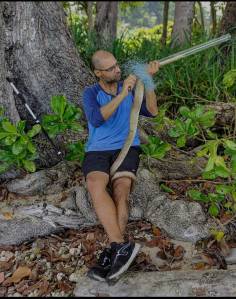
12:57: So also, yes, I never really did this snake rescue anywhere else that I have lived. Uh, yes. In places where I lived– in smaller places—if there is a snake in someone’s house. Yes. I’ll be more than happy to remove it for them, but I never did this ‘snake rescue’ thing anywhere. It was the same over here. There was a snake in someone’s home.
13:20: I went and helped out, but now Havelock is like a smaller town…a larger village, the entire Havelock. So literally, everyone knows everyone from one snake rescue to the second to the third. Now it has become, everyone knows this, but however, I rather not do this because this is not giving anyone a chance to understand how to live with snakes. Right?
13:46: This place always had King cobras; it always has a lot of snakes. But as we are going, as they say, tourism is a double-edged sword. As tourism is spreading people the locals are selling off their land to hotel chains. Of course, right? And there are literally maybe over 100 accommodations now or places to stay in Havelock. Plus 40 plus dive shops, over 100 restaurants… So many of us from the mainland are also living here which basically means more houses are constructed. People are cutting deep into the forest and with that comes … If you’re cutting into the forest there are more snakes entering people’s homes. What tourists are seeing are just the two main roads but there are now a lot of side lanes. I get baffled about where these side lanes are going. I thought I knew Havelock well on all the roads but no. Every time there is a snake and I go to these places, I am shocked that these houses are deep, deep into the forest. They have cut the forest down. So yes, there is no option for the snakes but to seek refuge in those houses. So now this is what’s happening.
14:58: I basically will not catch a snake or remove a snake unless the snake is in the person’s house. When I say “in the person’s house” I mean literally in their home. If it is in the garden in a bageecha, I will not catch it because that is where the snake is supposed to be. I understand it is a king cobra; it is a highly venomous snake– the world’s longest venomous snake– but there must be some learning curve. Otherwise, every snake they see it’s like, “Come and catch it.”
I basically will not catch a snake or remove a snake unless the snake is in the person’s house. When I say “in the person’s house” I mean literally in their home. If it is in the garden in a bageecha, I will not catch it because that is where the snake is supposed to be. I understand it is a king cobra; it is a highly venomous snake– the world’s longest venomous snake– but there must be some learning curve. Otherwise, every snake they see it’s like, “Come and catch it.” -Nariman Vazifdar on Heart of Conservation podcast
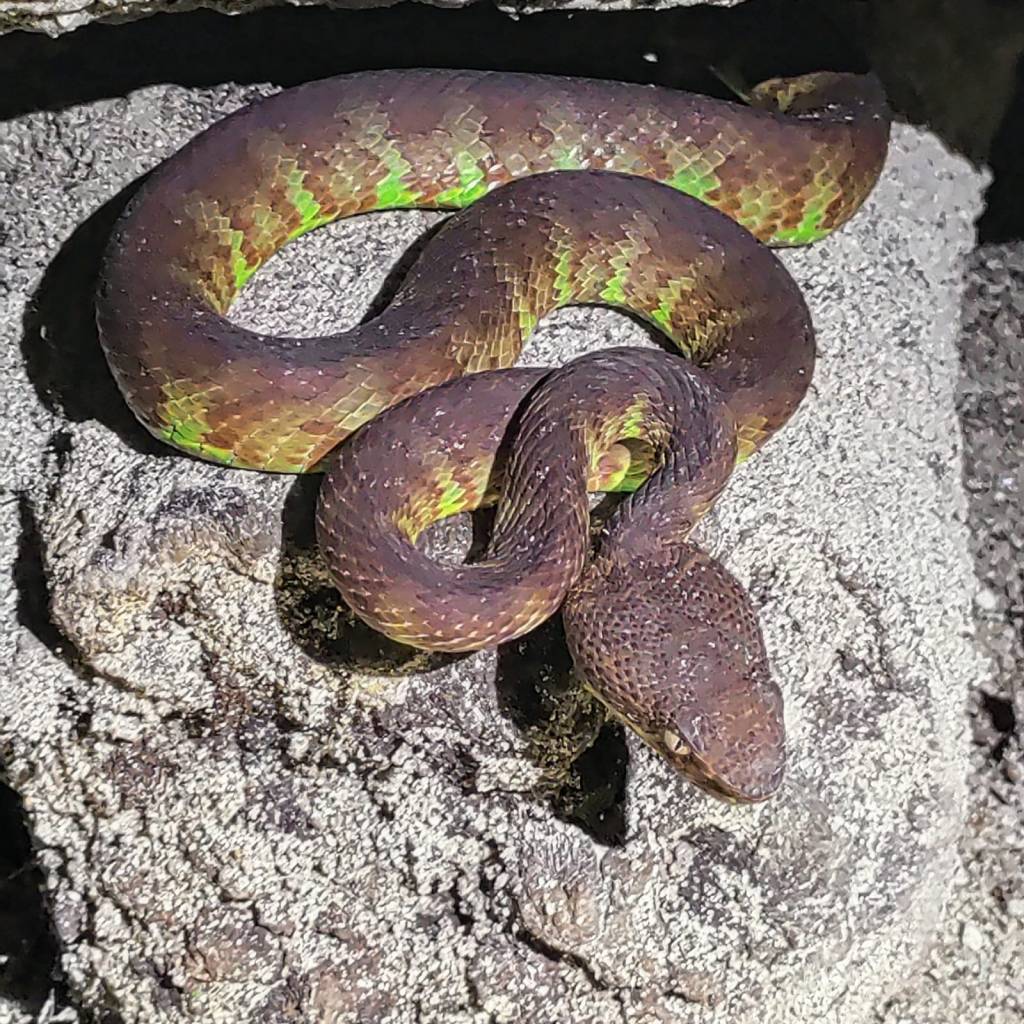
15:26: But I don’t go unless it is in their home and there’s a situation where I have to, I will remove it otherwise I tell them to wait. I will look, keep calm, take it easy and if the snake was in their home, yes, I will go. But otherwise, I don’t.
15:42: So, what I mean by this is there is no need to catch every snake. What are we doing with this (snake) right? Again, snake catching is not a big deal. It is basic if you understand snakes. I don’t know why people make this big hoo-ha and show about it. You can catch a snake. Then what are we doing with this? We are relocating them somewhere else. This is not conservation. This is not research. We are literally removing a snake from A and just dumping it at B. And we think that yes, we’ve done a great job; we’ve saved a life but we don’t know if that snake survives well yet where we are literally releasing it.
Then what are we doing with this? We are relocating them somewhere else. This is not conservation. This is not research. We are literally removing a snake from A and just dumping it at B. And we think that yes, we’ve done a great job; we’ve saved a life but we don’t know if that snake survives well yet where we are literally releasing it.
-Nariman Vazifdar on Heart of Conservation podcast
16:20: There have been many debates, many scientific papers; research on this; on this trans locating of snakes. They are saying to try to release the snake as close to the rescue site. Now think about it. Where I live in Havelock; there are king cobras. Like I said, my problem is not the rescue, it is the release. Sometimes I feel very bad I’m releasing the snake a kilometre and a half away but there is no option, right? Where do I release these snakes with so much construction?
16:50: So that’s why I feel like, if not required, I will not do anything. A lot of times I get calls: “Snake is in the home.” I say, “Okay give it 10 minutes; let’s see what happens.” And it goes away by itself; there is no need to run, jump, or catch the snake; put pictures or like, free-handle snakes. It is not necessary and this is becoming a massive trend on Instagram now where a lot of the guys, especially in Bombay, Pune, all India, are free-handling. Which basically means picking up venomous snakes with their hands; not using equipment, getting bit on their faces, and kissing cobras. It is not required. There is no need for this bravado, for showboating… Yesterday or the day before, two boys got bitten doing these stunts in Bombay and what happens if they die or lose their fingers. What is the point of this? There is no point in this. Do it if you really must do it. Yes, catch a snake but then go immediately and release it.
17:48: A lot of guys keep the snakes unethically; they keep them in plastic bottles–they don’t release themfor days and they have one thousand excuses for this.
17:58: To catch a snake, it takes two seconds. What I do when I catch a snake is release it immediately and then I go home. I don’t need to take the snake home. I don’t see the value of taking that snake home. Yeah, anyway these are my thoughts and you know and again everyone has different thoughts about this and a lot of people feel that catching a snake is conservation research but it is absolutely zero. I think we are actually hindering it and not really giving it you know, a place to go to actually.
Lalitha Krishnan:
18:30: That’s a lot of new information. It’s interesting but it’s also scary and enlightening. First of all, they have to learn how to catch a snake. I hope they just don’t follow YouTube videos…
Nariman Vazifdar:
18:45: Yeah. that is all easy but you see all these YouTubers picking up cobras, the vipers… Why would they do this? Right? You are literally playing Russian roulette. Nothing happens 100 times. Then, the 101st time you could die. You could lose fingers… you know? Why would you want this Cobra?
19:05 You know, snakes live in sometimes the filthiest of places. Gutters, septic tanks… and you’re kissing this Krait! No, not on.
Lalitha Krishnan:
19:14: Sad. So how often do you get called to get snakes out of the house?
Nariman Vazifar.
19:19: Really, luckily, it’s not like a full-time thing. I don’t want to do that full-time. But mostly, king cobra breeding season is now mid-February to April-May maybe. So this time these two-three months are more. Of course, the random one here and there but uh sometimes maybe twice in the day sometimes not a few days… It’s very erratic.
19:49: Interestingly, the snakes that I have rescued from the homes over here are either king cobras or rat snakes. I’ve never rescued a pit viper from someone’s home or kraits. None of that. It’s only been either kings or rat snakes, no other snake interestingly.
Lalitha Krishnan:
20:06: We have rat snakes here also. In fact, one was on my door trying to get a Whistling thrush’s eggs. There’s no way to prevent these situations in places like Havelock, right? Snakes will go into your house… I don’t know.
Niriman Vazifdar:
20:21: It’s basic. Doesn’t matter if you are in Havelock or anywhere in the world. You keep your surroundings clean, keep your litter, don’t keep clutter around, and don’t chuck your organic waste everywhere. They’re the basic, same rules you follow anywhere. Okay, yes of course, if you’re living in the jungle there is more likelihood that it just comes. But less likely if you keep your place and your area litter-free- free basically.
Lalitha Krishnan:
20:51: I never thought of a snake attacking your garbage.
Nariman Vazifdar:
20:51: No. It is going for the mice, right? What is going in the garbage? The mice, the flies then the frogs, right? Then the geckos go for the flies. So prey and predators come wherever there is food right?
21:08: If there is food for say, you chuck some mango outside, right? A rat will come to eat it. Following the rat, maybe a snake will come. Lost in translation….seeing the gecko and a snake another lizard may come. Seeing that a snake may come right? So it’s a circle and if it is near your home why wouldn’t that animal come?
And there are also some wood piles or thin sheets lying around. It’s a perfect habitat for reptiles to live in. Where am I finding these snakes? Under thin sheets, in wood piles you know because sadly the locals are dumping all these things. So the day before, there was a rat snake under a pile of wood. I literally removed it from one pile of wood and I put it in the next pile of wood. Haha, What do I do? That’s all. Because there is so much clutter around there is no option right it’s the same principle anywhere more clutter around more hiding spots, more prey base, more reptiles.
Lalitha Krishnan:
22:02 Nariman, thanks for that. Let’s move on. So have you ever been bitten by a snake?
Nariman Vazifdar:
22:18: Yeah, I’ve never been bitten by a venomous snake because I always, of course, it’s been lucky, but safety is my priority for myself and the snakes. If I feel like this is… also all snakes don’t need to be caught, like I said. I’m only doing this when it is in a place where there’s a snake in someone’s home. I will not just catch a snake if I don’t have equipment. I will take my hooks, my snake pads, tubes, whatever I need, I will wear boots. Whenever I need to go for a snake rescue, I ensure I have all my things with me. Even if the locals tell me it’s a non-venomous snake, I will judge it only when I see the snake. So many times, it’s a rat snake and I’ve gone with all my gear and then I pick it up. But yes, because I can identify venomous and non-venomous species, non-venomous snakes, yes, I have been bitten a few times. But there’s not much to learn from getting bitten. That’s why I have to figure out what because, I know for a fact, that it is a non-venomous snake. On getting bitten: let’s say, everyone asks how much does it hurt? Of course, it’s basic sense. Smaller snakes hurt less; larger snakes hurt more. Like say, if you get bitten by a non-venomous wolf snake, it hurts a little bit.
23:36: Maybe not even, not even one drop of blood will come out. But if you get bitten by, say, a python, it could even tear your skin. You may even need stitches if it bites you back that badly. You know, you could even cut an artery, you know? So yes, it is… even smaller snakes could hurt you. If it bites you and cuts one of your arteries in your hands. Once it’s happened that more than once–and all of us who do this have experienced it– snakes sometimes when they bite us, their teeth break off in our hands.
24:12: That’s why we tell people, if the snake is biting you, don’t pull the snake off. Because A, the teeth break, the teeth will regrow on the snake. But it is painful for the snake.] Understand, even the snake has emotions, right? Just because it’s not like a mammal or a bird, it can’t speak out. It doesn’t mean it doesn’t get hurt. And, more than that, sometimes these teeth break off and they go into our skin, into our epidermis… And then the small wound heals, but this tooth is left in our hands or feet or wherever in our body. And of course, it’s a foreign body. Imagine a foreign particle in your body now, right? So, your body slowly, slowly starts pushing it out. And, like once the tooth got stuck in my finger hand somewhere, it was when it was coming out quite naturally, it was hitting one of my veins. So, it’s really painful. You know, and then you literally have to kind of dig into it and pull it out. You know? So, sadly, all of this is sad, it happens.
25:13: But like, again, going back to your question, I’ve not been bitten by a venomous snake ever. Again, safety, (lost in translation) It does happen. I have friends who are super careful, more careful than I am. It does happen that they have gotten bit. It’s also, you get over-complacent, you know, over-confident. You really need to be in the potential, now you know what you’re doing. You’re like, “Ah, I’ll just go and take this cobra out ……… (lost in translation). And that is bad. And that’s where this happens sadly. Right. Yeah. And we are seeing this more and more often lately.
25:47: So like when we go out looking for snakes, this is what we do. It’s called herping. We go out looking for snakes. We do holidays where we just go out to different places– maybe even abroad, or even just in India, trying to find reptiles of that age. Great.
26:04: I mean, I didn’t know snakes could grow their teeth back, but I don’t want to test that. You know, you wrote a book called Turtles, Tortoises and Terrapins of India with Sushil Chikhane. So that must have been a really interesting project. Would you like to tell us some more? And what’s the difference between the three to begin with?
Nariman Vazifdar:
26:29: So turtles.. everyone thinks when they see a shelled animal, it’s a turtle. That is the first thing that people come for. Of course, they like the book. There are three… Let’s put it this way.] Tortoises are land animals. Tortoises: are very basic distinguishing keys. Tortoises have feet because they’re land animals. Tortoises’ feet are like elephant feet, exactly like an elephant’s feet, of course, smaller. Tortoises can also swim in the water, but they can’t swim in the sea or they can’t swim in a river. A little bit, yes. Now we’ve realized that tortoises also are getting bigger. They’re getting into water bodies and floating to certain areas. But in a general aspect, tortoises are land animals. They will drown in extended periods. They cannot be swimming in the sea or in, sorry, in a pond or a lake. They will, as soon as you put them there, they will struggle a bit and they will drown.
27:28: So, elephant feet are tortoises. Turtles are two now. Turtles are freshwater turtles that live in streams, rivers, ponds, and wells. And there are marine sea turtles that live in the sea, of course. Again, these two are different as well. I cannot put a freshwater turtle in the sea. It will die. Likewise, a marine turtle cannot be put into freshwater. It will also be needed. it can survive. Yes, when you do a treatment and all, yes, you can manage to clean it out to do this. But generally, it needs to live in the sea.
Lalitha Krishnan:
Okay. Just like most river fish and sea fish.
Nariman Vazifdar:
28:10: Yeah. Exactly. River fish and marine fish. Exactly. But they are very simple distinguishing features between a freshwater turtle and a marine turtle. Freshwater turtles, in between their toes, have like a duck’s webbed feet. So they have duck-webbed feet because they need to swim in the water, right? So, their toes, in between there’s a webbing and that makes it a turtle.
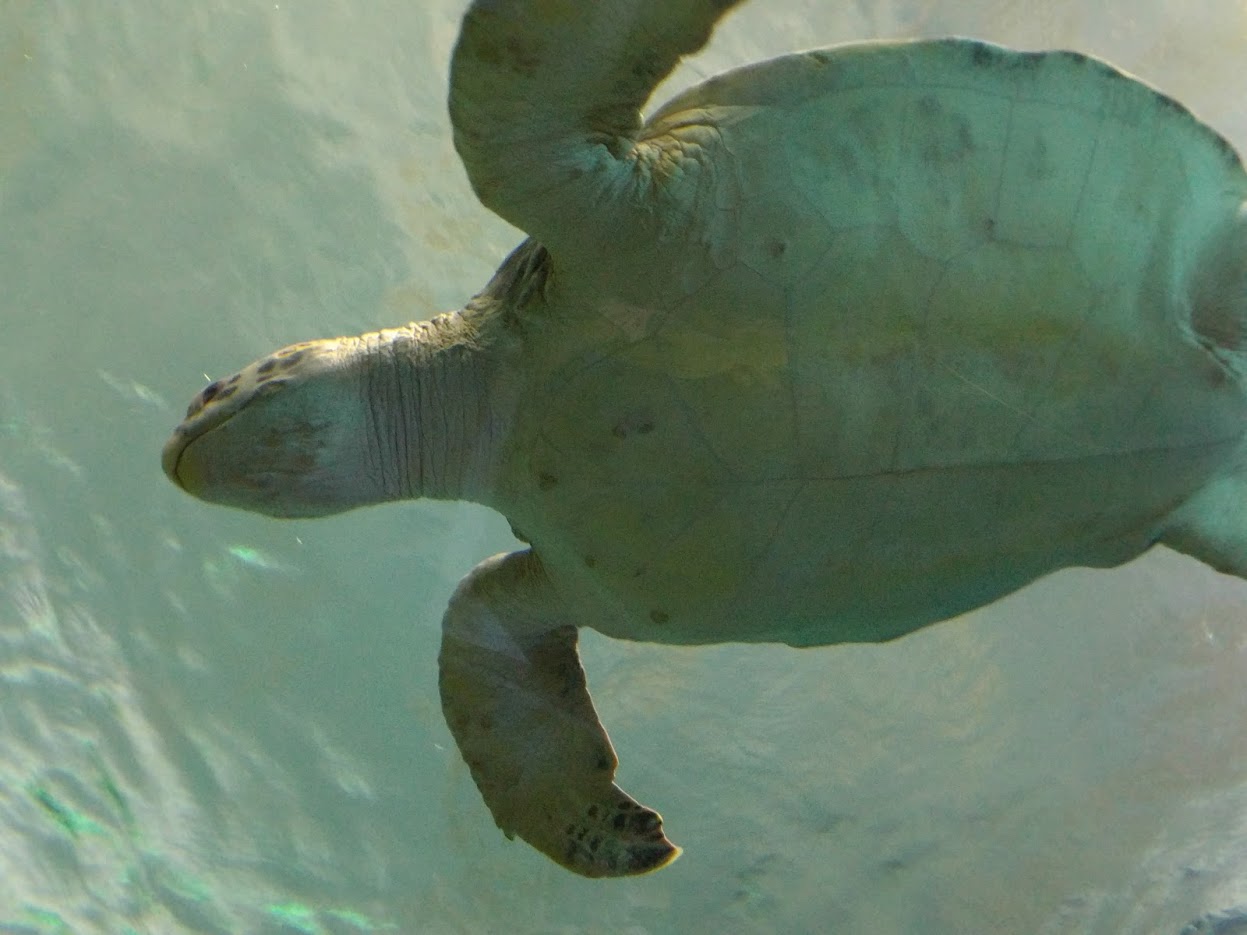
28:38: A freshwater turtle, a marine turtle has completely different legs, let’s call them legs, structure. They don’t have those toes. They have fins,… flippers. Right? So as you see, it’s a very, very different structure compared to a freshwater turtle.
22:57: The third one, which everyone gets confused about, which is a terrapin, is basically a river turtle that can also survive in brackish water. Brackish water means where the mangrove area, let’s put it that way, where fresh and saltwater meet. So some turtle species can survive in that water as well. They’re not going in the sea, but they can survive in fresh water and this brackish mangrove area.
Lalitha Krishnan:
29:24: So even in the Sundarbans and all, you’ll find them?
Nariman Vazifdar:
29:28: Yes. Predominantly, that is correct. In the Sundarbans, there is a specific species called a Batagur baska that lives in that area. Okay
Lalitha Krishnan:
29:36: Yes. So basically, those with feet on land and the rest more or less in mostly water.
Nariman Vazifdar: Mostly water. Yes.
Lalitha Krishnan:
29:45: Thanks. Do you want to tell me more about your project, and your book?
Nariman Vazifdar:
29:52: So, the book was with me and Sushil because I did a lot of… I used to work with Turtle Survival Alliance. I worked as a freshwater turtle biologist and I understood turtles and there was a lack… Always, everyone in the reptile world is inclined towards, say, snakes, crocodiles, and lizards. Very few people are inclined towards turtles. It was the same with me as well. We found turtles boring, snow sluggish, not dangerous, just you know, like OK, whatever. But once I started doing this work I realised that wow turtles are really interesting. They have character. They have personality. They are stunning. Some of the turtles like the one I used to study were called Red-crowned roof turtles or (Batagur kachuga). It is absolutely a stunning animal. The males have yellows, reds, and blues on their faces. It looks like a lot of people have asked me when I showed them a photo of this male turtle in breeding colours. If I’ve painted this turtle.
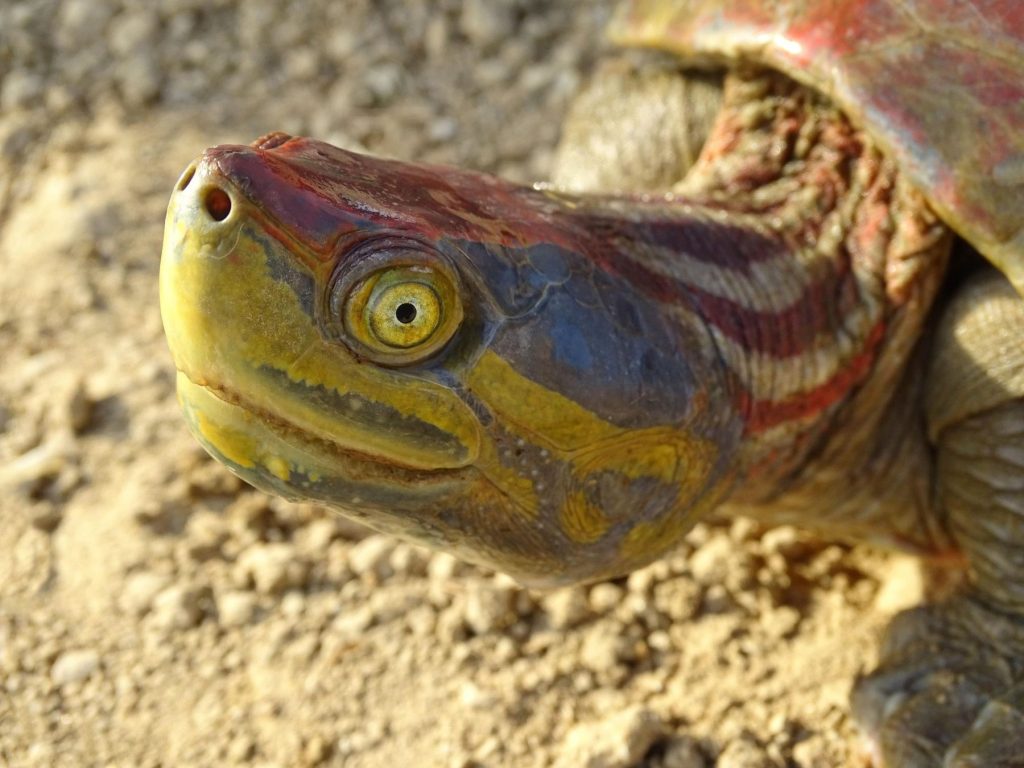
30:54 It is that vibrant, you know, and a very cool animal. The ecology of turtles, especially river turtles is something else and some of them are giants, like serious giants and just tough to catch. Because, we used to put transmitters, you know, a lot of stuff we had permits for. Sometimes they are tougher to catch than snakes, you know, more tough, you know. So, like we always thought turtles or sluggish. Everyone thinks turtles are sluggish. But when some of those turtles want to go, they are going and you cannot stop them. Yeah, it is mad. It is a very, very interesting area to live in and to understand how this works. So, there was no book like a field guide. You know there’s always field guides for say, birds to snakes. But again, like I said because turtles are this topic of “No, it’s OK, not many people interested,” we thought it is the need of the hour to have a turtle book out there you know. And there are books, there are flip cards but not a lot of field guides which cover even marine species. So yes, it took some time. We did this during COVID, and it took about a year and a half to two years to basically complete this book.
Lalitha Krishnan:
32:11: Fantastic
Nariman Vazifdar:
32:12: It was a fun learning experience as well of course.
Lalitha Krishnan:
32:13 Well, Narman, we are down to question 9. And so, I was wondering if you could share a little bit about the Bulletwood Tree that you know showed us in that forest by the beach. It was just so beautiful. Would you like to give us some information about that? I’m so fascinated.
Nariman Vazifdar:
32:40: Oh certainly. So, the bullet wood tree is a predominant tree of the Andamans. It is called Sea-mahua. It is not the mahua of Madhya Pradesh where you get liquor from the flowers. This is completely different. Even the scientific name is different. This is more of a littoral forest basically which means it grows by the seashore like we saw right? You see the giant trees in the sand. These trees could be 5/600 800 years old, extremely hardwood trees. So when we walk through the forest of Havelock or any of the Andaman Islands, you are noticing a lack of termite mounds. There are termite mounds of course, but a lack of termite mounds considering the fact that this is a rainforest. It’s not a rainforest like say the Western guards of India or South America. But nevertheless, it’s still a rainforest and these trees are very tall like we saw 130- 150 feet tall trees.
33:44 Few termite mounds because the termites can’t fully make holes in these trees. It is very interesting. Forget the living trees; we get cyclonic weather, trees rot, trees fall down. The termites we have noticed… Yes of course they try getting onto the trees. They do get onto the trees but they give up and they go away. I feel that this wood is too hard for the termites to make holes. We get another insect called the wood borer. Yes, that sometimes makes holes, but it is also found in Madhya Pradesh, but not like the damage it does to the sal trees of Madhya Pradesh where it kills the trees. It doesn’t manage it. Maybe it eats into the other trees, which is OK; the coconuts, the supari trees, you know? But I think the hardwood trees of the Andamans are something else.
34:37: Here, there is also a wood called superior wood. You know like we were taught of hard softwood hardwood. There is superior wood you know which is extremely hard where you can’t put a nail into it at times easily you know. So even the sea-mahua or the bullet wood which is called, initially they would burn the base and cut it with an axe. Now they use a chainsaw. The chain saw takes a couple of hours to cut a tree you know? It is incredible. But also, I read somewhere that when the British … the tribes… of course the history of the Andaman, sadly is not nice. It is very you know… a lot of unfortunate events that led to the British being here, or them treating the tribes very ruthlessly. Japan was here. The same kind of history again repeated itself. But interestingly the tribes had laid a trap for the British and someone told the British about this trap. If the tribes imagine if the tribals had won this battle against the British we may not have been here right now, right?
35:44: History would have been different, yeah. But apparently, they made shields out of this wood. I think I read some of the old books somewhere. They made shields out of the tree and they thought that it would stop bullets. Of course, it can’t stop bullets. It can’t stop cannonballs. So, the tribe literally got decimated in this action. But interestingly, it could also be called the Andaman Bullet Wood because they thought that it could stop bullets.
Lalitha Krishnan:
36:11: Having seen the tree I am in awe of it.
Nariman Vazifdar:
36:15: Yeah.
Lalitha Krishnan:
36:18: Nariman my last question to you and I ask this of all, my guests is, do you mind sharing a word or a concept or you know, that will help us that’ll add to our understanding of the ecology of the Andaman Islands.
Nariman Vazifdar:
36:34: Yeah, so like it’s the same thing. Like not just the just let’s say that’s not the Andaman Islands. The change happens in islands, not just with the flora, but with the fauna happening at a faster rate than in mainland any larger space, right? So, let’s just put it like I said, the problem with let’s say Havelock is it is a touristy island. The only source of income that the Andaman Islands as a whole has is tourism. But sadly, we don’t have sustainable tourism on the islands. There are rules, there are regulations, but again, it’s India…we don’t really follow any of these things. A lot of resorts are now claiming to be eco resorts and green resorts, but it is not possible. It is not humanly possible to have an eco-resort without, you know, damaging the environment. So, this is just like a little thing they put up, put a nice website out and say we are an eco resort and we are saving the environment. But actually, none of that exists,
37:48
Not just here but anywhere, even just say Tiger resorts right? Where everyone is claiming to be an eco-resort, it is not possible. We generate waste, we consume electricity. You know, it is not possible to have an eco-resort basically around us unless you are using solar panels, you are doing water harvesting, you know you’re putting groundwater back, you know you are not creating any waste, which is humanly not possible if you are running a property. Basically, no matter what, all the resorts, no, no resort, all the resorts will tell you all the big resorts will tell you that “we are doing eco management and waste management.” It is all just rubbish, sadly.
Lalitha Krishnan:
38:28: I can imagine.
Nariman Vazidar: Yes, of course, islands get… Now sadly, where was this? Where do you think this waste is going? Right? Island ecology gets damaged very fast. We are not seeing this race. I myself am producing waste, right? We are cooking. I have a dog. He needs milk. It needs XYZ Right? Even myself, right? We all have to buy stuff to survive, right? So, on a small island with a population say 5000 living over here, now so many of us characters from the mainland live here permanently. Plus there are some 3-4000 tourists a day on this island. So, if 3-4000 people plus 15,000 or 10,000 people need to eat every day, imagine the waste of 10 -15,000 people a day on 135 or 113 square kilometre island? So now we have a dumping yard, a landfill on an island, imagine? Where they’re just, we’re just burning the waste. It’s like when facilities are poor, infrastructure is poor, right? I thought that the hotels would come up, you know, take their waste back, do something. But no, sadly, no one does these things, including the big chains, Forget the small boutique resorts and the big chains do not really give a *&^. Like, the small ones are really not bothered about anything.
39:51: So this is what happens, right? Like, as a tourist, you are not seeing the impact that tourism has. Don’t get me wrong, everyone’s income depends on tourism. But there is a way of doing this where – see like in a tiger reserve right? They have only XYZ numbers.. like so many numbers of jeeps can enter. The tiger is yeah, one time had a system like that somewhere, you know where you only have so many people on an island per day. Let them stay longer– absolutely fine. But don’t have so many ferries coming in and out like groundwater. Why? What is the natural resource of an island? The freshwater we have, the fresh water is already getting depleted, right? We are seeing tankers come to Havelock already right? This is so– where I live– is a little bit low lying. The mangroves are 20 minutes away from me,
40:44: Yesterday when I came back to take a shower, I could smell the mangroves. You know, like in the kitchen, you know, it’s like that ammonia water, that nitrogen fixation that the mangroves do. You can smell it. And it’s not summer, summer. Summer just started. But now the islands are not getting a break? After COVID, all the hotels are doing this, not giving the island a break. Greed sadly has become a very big part of the islands where everyone is opening… Hotels are opening as we speak… so groundwater gets tapped, and water is getting reduced. It will become a problem later on in life, which a lot of these people are not seeing right now. Havelock is blessed. We have waterfalls, we have streams, but right now it’s all dry. There is not too much water because yeah, the water is drying out, absolutely. The waterfall which I went to last night is completely dried out. There’s no water.
Lalitha Krishnan:
41:45: That’s depressing. We don’t see all this. Thanks for opening our eyes. I have one more last question. You know, you also spoke up about diesel buses when we were there.
Nariman Vazifdar:
42:00: Yeah, so, the main grid of the island is a diesel generator. But now we have electric buses over here. So the diesel generator–they burn diesel to convert it into electricity to run the electric bus. It is the most absurd thing. This is sustainability apparently. This is what and this is just like done and like there is –no everyone here just thinking this stupid thing to do, right? So, we have local buses, you know? There are local buses, and local transportation. Why burn diesel to convert it to electricity to put it in electric buses and say that we are doing “green” or whatever the rubbish that is called? You know?
42:47: It’s like this is the thing that we are doing just for the namesake of doing it. We are lost in translation. So now, of course, there should be a bus, a charging station, a bus. You know, all these things have to be put up on the island now.
Lalitha Krishnan:
43:00: Food for thought. Lots of food for thought. Thank you so much.
Nariman Vazifdar:
43:06: My pleasure.
#islandconservation #snakerescue_release #islandecology #islandbiodiversity #kingcobra #turtles #terrapins #tortoises #author #naturalist #researcher #ecologicaldamage #reptiles #narimanvazifdar #invasivespecies #island #animalbehaviour #conservation #endemicfauna #endemicflora #bronzeback #wolfsnake #researchpapers #andamans #tribes #british #japanese #rainforest #development #littorialforest #groundwater #heartofconservation #naturepodcast #storiesfromthewild #earthymattersblog
Birdsong by hillside resident, the collared owlet.
Photos Credit/Courtesy: Nariman Vazifdar. Podcast cover/label design by Lalitha Krishnan
Disclaimer: Views, thoughts, and opinions
expressed in the podcast and show notes belong solely to the
guest/guests featured in the episode, and not necessarily to the host of
this podcast/blog or the guest’s employer, organization, committee or
other group or individual







 You’re a regular at the sea-front promenade. Ever wonder about the mangroves it replaced? Or why storms batter your city annually?
 Earthy Matters