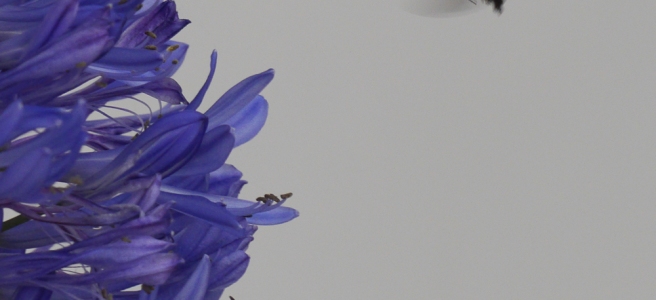
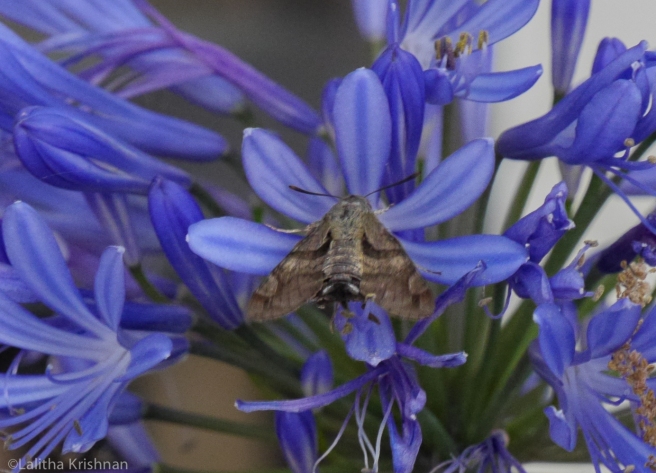
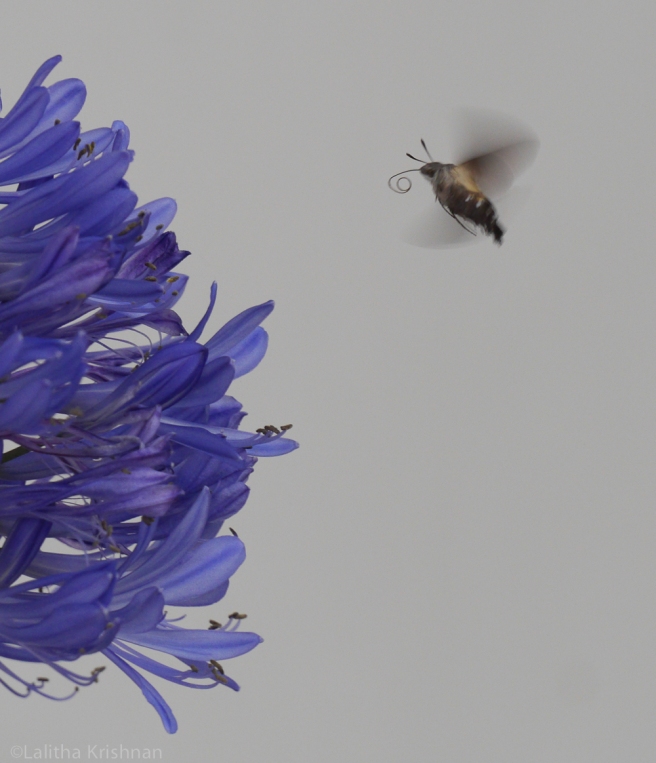
The bee moth, also known as the hummingbird hawk moth is here again. I look forward to its annual dusk time visits. I have to be quick with my camera for this moth never lingers for too long. It clearly favors the colour purple: African lilies [Agapanthus] and verbena [Verbena bonariensis] andlarkspur [Delphinium] -which is toxic to us. I have seen them sip up the nectar of pink zinnias and cosmos, so perhaps they are a bit partial to these flowers. To be honest, this hawkmoth does look hover like a hummingbird and hum like a bee.
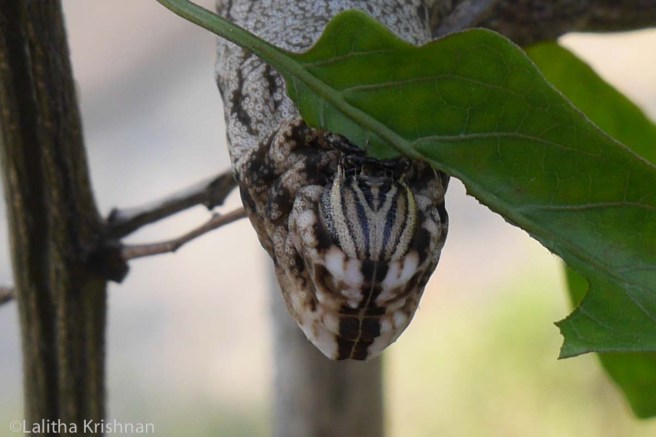
Agapanthus, verbena, zinnias, larkspur, and cosmos attract hawk moths.The hawk moth looks dull when sipping/at rest.The long proboscis of the hawk moth is curled under its chin in flight.The mouth of a caterpillar up close with cobra-like markingsCaterpillar hanging on un-delicately whilst feeding on a potato creeper. Note the tail.
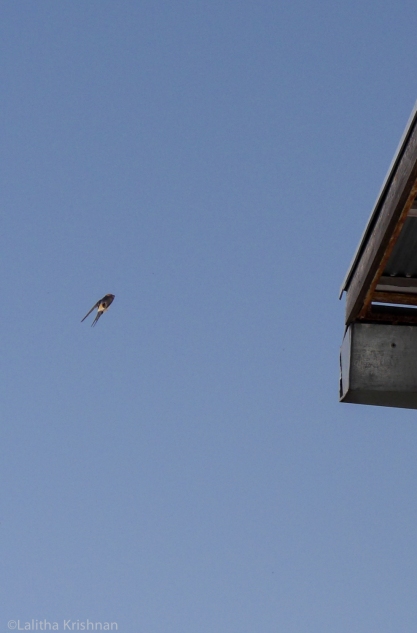
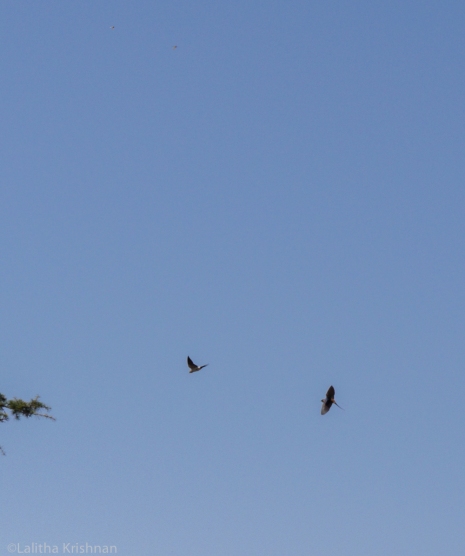
Like summer visitors on the hillside, barn swallows descended on me in troves, unannounced, one fine morning. Then as swiftly (pardon the pun), they shot up, flew past a corner, looped around a tree or two, took a nose dive, twisted and turned and swung by again fleetingly. I stood rooted to my spot for a good few minutes, hypnotized by their acrobatics in the sky. What an air show…and a pain in the neck.
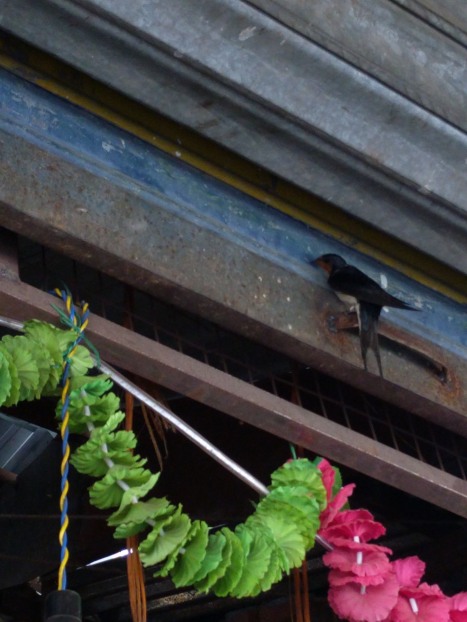
I noticed the swallows didn’t stay together like, say, white-throated laughing thrushes do, instead, they did their own thing, taking random flight paths “tweet-tweeting” without seeming to take a break. Almost like they had left their kids at home alone and needed to get back soon. It is the breeding season. Landour town shops already have swallow-nesting inside.
If there was a pattern to the swallows’ flight, I didn’t get it. It was impossible to stay focused on one bird continuously, let alone a flock. What I was watching was, in fact, nothing but a feeding frenzy. Summer bugs are out as well and the dives and swoops were directed by where the bugs were. Swallows catch them in mid-flight making a competitive reality TV game show look like child play. Not to be left behind, I zipped in and out with a camera and started randomly taking shots of swallows. 50+ blurs-in-the-sky has been promptly deposited in the trash. The rest I’m sharing with you.
View from Jaberkeht Nature Reserve, Mussoorie, Uttarakhand, India
My mountain dog, Chingoo, sheds like there is no tomorrow. His fur coats everything I own, borrow or dream of. If I needed an autopsy, they’d probably find traces of it in my stomach lining as well. Not that I care.
On the other hand, fur on my jacket seems to get some folks into a tizzy. These ‘uncontrollables’ start brushing it off without so much as pausing to ask. Hello, take your hand off my… This is me, fur et al. Restrain yourself. Shed the thought or face the consequences, I think to myself. But of course, I say the very opposite looking as obliged as someone rescued from a terrible wardrobe malfunction just in the nick of time.
Guests are pre-warned of unique conditions in my home. It’s not about so much about being unafraid of dogs as of being prepared. My dog is allergic to some people I tell them. Honestly, he sneezes. (I don’t tell them we share the same allergies.) Don’t pack blacks I say. And don’t bother to remove your shoes. Oh definitely don’t walk in socks…you’re in the doghouse now. Every time I sweep the house (I don’t vacuum), Chingoo’s fur takes on a life of its own. It swirls into individual fur devils taking flight routes of their own making. Not even our large hills spiders are spared. I often see them donning a fur-cloak as they drag themselves to safety behind the flush tank.
Unlike anything I’ve seen, Chingoo’s fur seems to have a survival instinct. It has gone forth and seems to have multiplied over the years. You only have to step onto my porch. My entire ecosystem has paled out. The deodars, the oaks the little weeds that are surfacing the hard earth, the little bugs that are on these weeds and even dung left behind by roaming cows have been consecrated by the travelling Furburys.
This slideshow requires JavaScript.
Not all has gone to waste. Once in a while I see little creatures of the wood pick and collect Chingoo’s fur to line their nests. They go at it all day long collecting as much fluff as their beaks can hold before flying out to their new home-in-the-making. I love the idea of comfy fur-lined nests. It feels like giving back…through your dog. More so, if you own a down-jacket or two. I’m just saying.
Lost at sea? Here are ready-mined terms and facts that are easier to comprehend. They might be hard to swallow but follow these leads in the right spirit and we could possibly see some tangible long-term yields across the globe.
Did you know that for every kg of prawn you eat this holiday season approx 6-9 kilos, [sometimes more] other fish and marine species would die in trawler nets? The extra, unintentionally fished marine life called bycatch is discarded dead or dying. Often, these are juvenile species that don’t fetch a price but they definitely pay a huge sum themselves in terms of never reaching maturity or reproducing, thereby reducing their total species population.
OK, so you’re a vegan. But you use plastic.
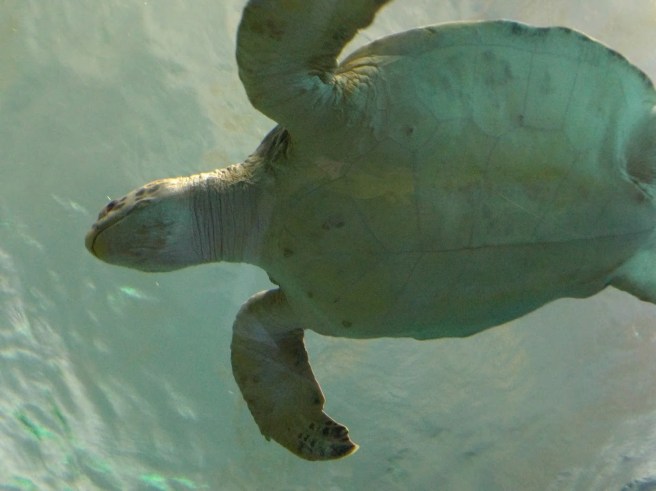
Get a taste of this. Scientists predict by 2025 the ocean will contain 1 ton of plastic for every 3 tons of fish. Plastics disintegrate very slowly into microplastics (sesame seed sized plastic bits) that move in the ocean, absorb DDT and collect in the currents. The fish, birds and turtles mistake these microplastics for food and bigger fish eat smaller ones. Their bodies can’t rid of the toxins fast enough and it ends quite tragically. This is called Bioaccumulation. It takes place within an organism when the rate of intake of a substance (in this case toxic chemicals) is greater than the rate of excretion or metabolic transformation of that substance.
So what does your exfoliating face wash have anything to do with the price of fish?
Your favoured brand stands out in a shop shelf because it probably contains colourful microbeads (a type of microplastic) or tiny plastic pellets generously added to personal care, cosmetic and household cleaning products like your body scrubs, washing powders. And toothpaste. Teeth feel squeaky clean?You’re a regular at the sea-front promenade. Ever wonder about the mangroves it replaced? Or why storms batter your city annually?
Mangroves reduce wind and high waves as they pass through mangroves, lessening damage during storms. Wide areas of mangroves have been known to reduce tsunami heights. Mangroves are carbon-rich habitats. Their dense roots build up soils, increasing soil thickness that may be crucial as sea levels rise. Mangroves and seagrasses capture carbon monoxide from the atmosphere a hundred times faster than terrestrial forests. Take a deep breath.
It seems appropriate to talk of human-induced Marine Death zones now.
These are hypoxic (low-oxygen) areas in the world’s oceans and large lakes, caused by “excessive nutrient pollution from human activities”. Chemical runoff from our industrial waste, fertilizers and use of fossil fuel to our daily floor cleaners find their way into our rivers and oceans killing massive swathes of fish and marine species. There are405 identified dead zones worldwide.
Planning a long cruise?
I read that a one-week voyage on a cruise ship with 2, 200 passengers and 800 crewmembers generates 210,000 gallons of sewage and eight tons of garbage. Marine pollution analysts in Germany and Brussels say that such a large ship would probably burn at least 150 tones’ of fuel a day, and emit more sulphur than several million cars, more NO2 (nitrogen dioxide) gas than all the traffic passing through a medium-sized town.
Do take the kids [our future stakeholders] to see a coral reef a.s.a.p. #investintheenvironment
Be positive. Stay healthy. Be conscious. Happy holidays.
PS: And oh here’s some further reading for the beach.
How did I manage to get published? I’m clueless. I only know that The Hindu-Open Page editor’s click of approval transported me to a new level of thrilled. All those zillion rewrites, years of rejections and no replies from other publications finally paid off. This piece was way shorter, the timing was right perhaps–around Salim Ali’s birth anniversary–and I think my writing struck a chord with nature-loving folk who are missing the ‘wild’ connect. Reading their appreciative emails brought me as much joy as writing. There is no greater reward. Will I get published again? I can’t tell but you will know if I do.:) Why don’t you read the article (via The Hindu link below) and tell me what you think of it in the comments space?
A Grey langur watches me watch him. Photo credit: Lalitha Krishnan”
“I learned this, at least, by my experiment: that if one advances confidently in the direction of his dreams, and endeavors to live the life which he has imagined, he will meet with a success unexpected in common hours.” – Henry David Thoreau, in Walden, or Life in the Woods
I recently witnessed a pint-sized owl (Asia’s smallest) taking on a woodpecker. It happened even before I could shout out “owlet”. I barely believed what I had seen. I’ve been following this particular owl couple for a month now. I noticed they make three different owl calls or utterances*. Unlike what I’ve heard, these little munchkins are easy to spot and observe. That’s mostly because they’re also active when I am—diurnal and crepuscular birds—calling, mating, giving me multiple chances of focusing right and behaving like they look. Adorably.
I watched them turn their heads poltergeist style multiple times. It’s fascinating and spooky at the same time as they have false eyes on the back of their head that seemed to look directly at me. I was warming up to them until I saw one of them literally clash with this little yellow crowned woodpecker while it was on the verge of squeezing into the burrow which it had carved out with the finesse of a master craftsman. I know that for a fact because I’d documented the woodpeckers last year and marveled at the time and effort it took them to renovate the hole-in-the-tree into a home that’s woodpecker worthy*.* When I heard the woodpecker shriek, I thought its fate was sealed; it was going to end up as owl tapas. But that wasn’t the case.
One morning I responded to owl hoots and walked out with the camera but I just couldn’t locate them. Dumbfounded and annoyed, I almost gave up. Suddenly there was a flutter of activity and I saw the male make a dash for the tree hollow. I absolutely knew then, that the woodpeckers were evacuated from their premises and were probably house hunting again. The female was calling from inside the hollow which I why I never spotted her.
The male owl was carrying a pale, largish insect which it promptly began feeding to its mate. The lifeless insect was probably a cicada. They’re plenty around; their deafening buzz crescendoes overhead. I noticed the owls feeding on them twice; they must be beak-smacking good. Watch the video.
I miss my old neighbours but I’m keeping an eye out (spying actually) for my new ones without intervening. If I see hungry little owlets peek out of that hollow anytime soon, I’ll let you know. Follow me.
For the past month or so, every time I leave the house, I’ve been hearing a rapid flutter of wings accompanied by a slightly high-pitched screech, followed by gentle tapping. I spent weeks looking for what I recognized to be a woodpecker but never caught it perching in one place for too long. It seemed strange; I kept hearing it in the middle of the afternoon when sane birds take cover. So what was this pesky little bird up to? It was doing nothing but distracting me and probably warning its mate of imminent danger.
The brown fronted woodpecker (female) is cautious at all times.
Be conscious of your surroundings.
Blame it on the fact that I am a wildlife enthusiast of sorts and curious enough to spend the better part of my day looking for anything that I can digitally capture. Luckily, I do not have the distractions of employment interfering with my rambles; and so it came to be I noticed an old hollow with fresh drilling marks.
The female brown fronted woodpecker drills its nest out of a hollow.
Be ready for contingencies.
Feeling like a photojournalist about to enter the NG hall of fame, I started by keeping my camera cleaned and charged, my SD card empty, played my music real low and kept an ear out for any tapping throughout the day.
I was surprised by the size of some of the wood chips the woodpeckers cleared out.
Keep your house clean.
In the meanwhile we were expecting houseguests and as is the norm at our home, just before their arrival we conducted a monumental clean-up effort. As you can guess, this included wiping our windows clean. And we have a lot of them! As I drew the curtains to proceed, I realised I was standing four feet away from the tree hollow. And lo and beyond there was the brown fronted woodpecker sticking its little head out.
Always work in good light.
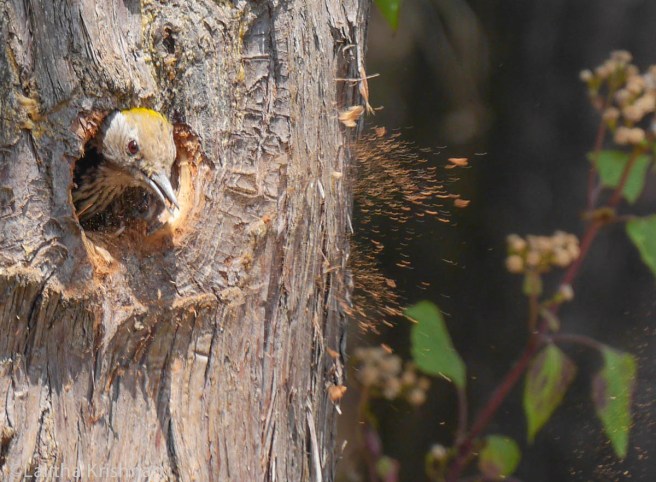
Whilst spying on the woodpeckers, I noticed they were most active when the sun lit up the inside of their hollow. They were using natural light to their advantage and mine. Though I was photographing them from behind a dark glass window, they were perfectly lit up as I captured their activities.
Woodpecker using its bill to disperse wood chips to the wind.
Share responsibilities as a team.
Though the pair worked together I rarely saw them both at the hollow at the same time. One of them would spend a few minutes inside the hollow carving out the nest and then would take time clearing out the wood chips before starting again. Reminded me of me cooking while my spouse did dishes later. An arrangement that always works out well!
I also noticed the woodpecker pick up wood chips and with a quick shake of the head and bill, disperse it to the wind instead of just dropping it off like dead weight. They left no trace of their nest building that way.
Use all the resources you can.
In my enthusiasm, I shot a lot of shaky movie clips at different times of the day before I realized I could just as well have planted my tripod in place. I found better use of ankle weights (which I never use) for weighing down the tripod in the hope my mountain dogs wouldn’t topple it over. They have the uncanny knack of snuggling up by my feet just when I don’t want them to!
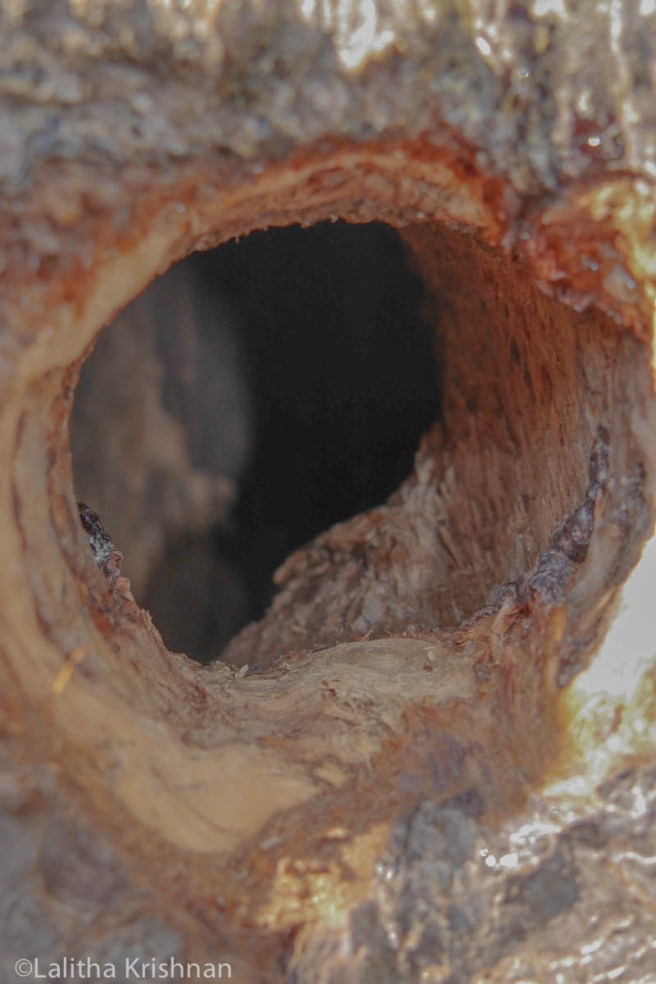
The old tree hollow was refurbished with a lot of skill and effort to make a new nest.
Whatever you do, give it your best shot.
These minuscule woodpeckers have been drilling out their home to perfection for a few weeks now.
I tried to get a glimpse of the inside of the nest but it was deep and cleverly spiralled out. Making it relatively safe from larger predators! They had functionality and safety all figured out! Makes you wonder why the word birdbrain has such negative connotations. Seriously!
Be patient.
As you can see, I was rewarded with a private viewing of the secret life of the yellow-crowned woodpecker.
Woodpecker chicks are hopefully on their way soon. Their intelligent parents are bound to teach them more than 8 life skills to survive. I have seen timber martens claw away at a woodpecker nest before and I’m hoping they never sniff this one out. Hope you enjoy the photos. All of them were shot through my (recently cleaned) window.







 View from Jaberkeht Nature Reserve, Mussoorie, Uttarakhand, India





 You’re a regular at the sea-front promenade. Ever wonder about the mangroves it replaced? Or why storms batter your city annually?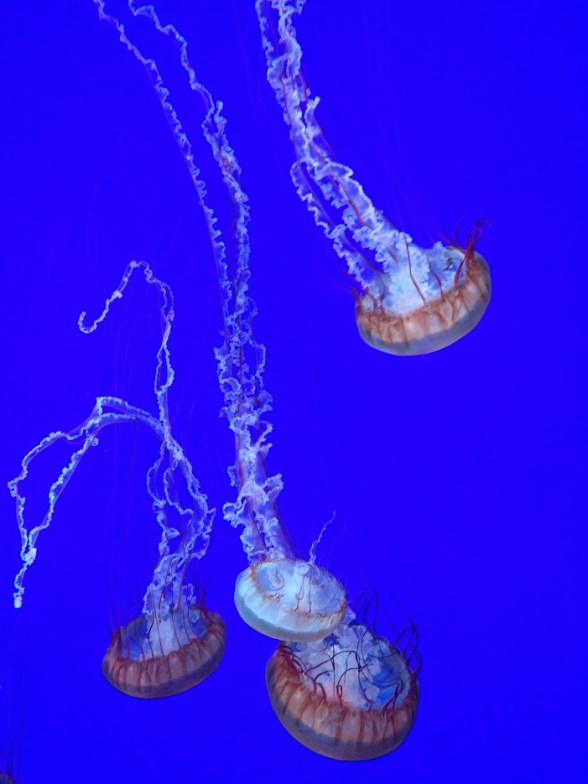




 Earthy Matters